
Recipes
What (the HECK) Should We Eat?

It may seem ironic that the most foundational Chinese medical texts harp on diet and nutrition almost as moderate and infrequently as do modern western medical schools. Part of the reason is in ancient times they did not have to navigate the “paradox of choice” of today. They ate what was available and needn’t concern themselves with overindulgences such as refined sugars or heavy seasonings, as neither one yet existed.
How to eat was apparent and matter of fact. Cooked rice and whole grains were encouraged in moderation to support stomach fluids and absorption. Cooked vegetables were mandatory in every meal and animal protein was highly encouraged, however not in nearly the quantity non-vegetarians consume it in today.
How to translate this into modern lifestyles:
For BREAKFAST we recommend any form of porridge and/or eggs with cooked vegetables—preferably the latter. The former can be oatmeal with nuts and fruits or rice, quinoa, or millet congee, either with nuts and fruits or pickled vegetables. The latter can be a baked sweet potato with butter, roasted sweet potatoes with olive oil, roasted zucchini with olive oil, sauteed collard greens, steamed brocooli, roasted carrots with butter… truly anything that one finds delicious and practical for those busy weekday mornings.
For LUNCH we recommend leftovers or a soup or some kind of cooked meal with vegetables. Raw foods, such as salads or smoothies are ok in moderation for some, but raw foods are more difficult to digest. They tend to cause gas and bloating and inflammation in their wake.
For DINNER a homecooked meal of whole foods. Not everyone has time every night to cook, and I am no exception to that, but we encourage everyone do their best to prioritize metabolic health, say over a clean house or even a clean kitchen, google some recipes you like, and just do it! It’s all good: Steak, fish, chicken, pork, tofu, tempeh, beans, pasta once in a while… it’s all good! So long as it’s homemade and warm 🙂 Personally speaking, many of my own long-term chronic ailments forever abated in my early thirties after I started finally cooking for myself at home. The rest of them improved when I quit eating refined sugar.
Never in human history have sweets been as sweet as they’ve been in the U.S. in the past 50 years. I encourage all of my patients to find as best alternatives as possible for their cravings (coconut yogurt, any yogurts, almond butters, any nut butters, dark chocolates, some honey or maple syrup if necessary, hummus, anything but American junk!) and recondition their minds to making things like packaged candy that doesn’t expire relatively invisible to their eyes.
Needless to say, it also benefits metabolic health to not eat late at night, by the same token to not skip breakfast, not consume alcohol on most nights, and DO consume hot tea daily
This is not about shaming anyone. It’s about encouraging, educating, and empowering us to navigate an environment that is obviously not designed for long-term health.
Mitigating the Side Effects Of Holiday Indulging
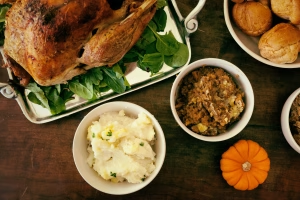
As all of our stomachs, intestines, livers, and pancreases quiver in fear, anticipating the overindulgences to come in the next six weeks, there are steps we can take to mitigate their onslaught of abuse, first and foremost of which is to potentially be mindful to not over-abuse—an unrealistic request for enough of us! So, what OTHER MEASURES can we take?
- Strength training: By making good use of the excess proteins and calories we can getbigger and badder musculature, and since the muscles draw upon the pancreas and stomach for tonification, strength-training provides the additional benefit of putting less burden on these organs, enabling them to better deal with the burden of parties.
- Hot tea: Booze if you must leading up to, during, and even after the meal, but bookmark your gluttony with hot tea—either Pu-Erh, which contains naturally occurring pro-biotics, or whichever flavor floats the boat. Hot tea will dilate and relax the blood vessels of your enteric nervous system (belly) which aids in digestion by breaking down the inevitable accumulations of gravy, yams, and butter.
- Breakfast! Some people make the mistake of skipping breakfast (or even lunch) the morning of Thanksgiving to “make room” for the feast to come. This is an error, as skipping breakfast actually sacrifices some of the gut’s enzymes and beneficial acids, which can make digesting the feast more difficult. Fine if you want to go small, but have something, preferably, oatmeal, millet congee, or eggs and vegetables.
- Stress management: The holidays bring at least one challenging individual into our homes, so in the words of my daughter’s favorite song: “Let it go.” Ignore if possible, just for the day, and re-address if you must the next time you speak to them.
- CHINESE HERBS! Last but not least, YOU GUESSED IT! Commonly used ingredients include hawthorn berry, which can lower cholestrol, magnolia bark if you’re the type who feels gassy and stuffiness in the chest, tangerine peel if you feel too low on appetite to get properly gluttonous, obviously ginger and licorice, the latter if you tend to GERD, also barley sprouts or medicated leaven, which are great for food stagnation.
If you’d like a brief consultation to determine what is the best gluttony-support formulation for your body type and indulgence to come, please don’t hesitate. If not for my own gout disease and general health awareness, I myself would have the inclination to over-indulge frequently, regardless of holiday season.
A brief expression of gratitude. I realize that Chinese medicine is inconvenient. It’s expensive, it tastes bad or it hurts for a moment, it takes time out of the day, etc. etc. I am grateful to all of my patients for trusting me, relying upon me, and staying the course, often through the trial-and-error process that in my opinion real medicine should look like. Happy Thanksgiving!
What Should We Be Drinking?
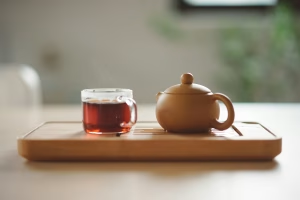 How much water should we be drinking? Is cold water okay? Is coffee healthy or not, already? What about decaf? What about green tea? Green juices? Prune juices? Sparkling water??? Please tell me sparkling water is OK! It’s all I’ve got…
Across the generations (and mediums) there have been many hydration gurus, and I suppose in this blog I’m throwing my hat into the ring, albeit really as just a hopefully qualified echo of Chinese medicine’s biological perspective.
Sparkling water is OK, but can irritate the bladder—should be kept to 1/day.
Room temp water is best, ideally half of our weight in ounces each day. Cold drinks can impair digestion, but again, once a day outside the context of a meal is no big deal, imo.
Juice is worse than people think—green juice not quite as good as people think. Green juices, without the sugars of fruit inside them, are fine, but should not replace real meals where salivary amylase is generated, we actually eat, and chew whole (green) vegetables.
One coffee/day should be fine for most people, but obviously has an excitatory and diuretic effect, so if one suffers with a lot of heat or dryness symptoms, should be minimized. These can include everything from insomnia and irritability to bloating or lack of appetite (dryness of digestive enzymes).
Green tea is preferable in people with “heat patterns,” and/or after a night of eating red meat, which can generate heat in the intestines. Again, because of its bitterness, people who tend to nausea, diarrhea, or lack of appetite should steer clear of green tea, and reach instead for…
PU-ERH TEA! Probably the healthiest thing one can drink besides clean, room temperature water, pu-erh is a black tea known for its naturally occurring pre and probiotics that enhance digestive and gut barrier function, the latter of which gets compromised by stress, medications, or alcohol. And I don’t know anyone who doesn’t check off at least one of these. Best taken hot.
I try to limit myself to 2 caffeinated beverages/day (I think no one should have more than 3), which are routinely a cup of Purity black coffee, followed by a cup of pu-erh, from either ARBOR or YUNNAN SOURCING, both of which offer organic and fair trade, high quality products. Highly recommend!
Tryptophan Foods & its Benefits
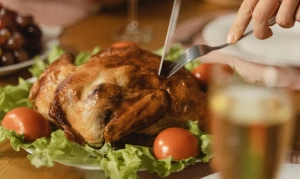
The ancient Chinese stressed the importance of eating foods that are “rich in qi and blood,” which upon scientific reflection, was in many cases referring to foods that are dense in the amino acid, tryptophan. Why?
The amino acid, tryptophan, is the precursor to the neurotransmitter, serotonin, which in turn regulates sleep and emotions, also digestive function, blood clotting, bone, and cardiovascular health. Circling back to Chinese medical terms, when your acupuncturist says that your gut is reliant upon strong and healthy “qi” to produce strong and healthy blood, this is what they mean. We need amino acids to produce not only literal blood, but also the neurotransmitters whose functions are synonymous with that of “the blood,” from a Chinese medical perspective.
Most people think of tryptophan around Thanksgiving and its effects of making us tired after the enormous holiday meal, but that fatigue is actually more likely due to the profound overconsumption of carbs and calories.
Other sources of tryptophan besides turkey are as follows, complete with warnings of their potential side effects and how to mitigate them:
- Chicken
- Is mass produced, so be sure to always consume in good, organic quality. Also can overstimulate the liver vessel, so ideal to consume with sour foods, such as lemon or sauerkraut to offset this effect. Unfortunately, the worst way to consume chicken is with hot sauce or spicy foods, which potentiates this effect.
- Beef
- Can generate excessive heat in the intestines, so should be consumed alongside bitter greens. Again, sad news: the worst way to consume is alongside alcohol, which can potentiate the heat effect. Eat plenty of bitters to counteract!
- Fish
- Beware of high mercury fish, as my wife always reminds me! Other than that, as the many centenarians of Okinawa and the Mediterranean know, there are little side effects to wild fish
- Eggs
- They’re just too expensive these days, and the inorganic variety are a problem. Other than that, eggs are nearly as perfect as fish 🙂
- Dairy
- Dairy has health benefits, but it is very cold and damp in its physiological behavior in the body. If you tend to low appetite, brain fog, diarrhea, bloating, or skin conditions you should avoid as much as possible.
- Soy
- Soy is also cold and damp and should be cooked alongside plenty of spices, onions, garlic, ginger, and even hot peppers, to offset its effect.
Besides tryptophan, another Thanksgiving cliche that benefits qi and blood is gratitude 🙂
Transitioning from Summer to Fall
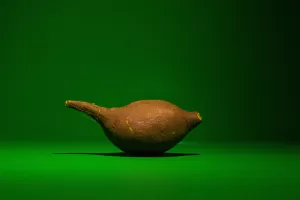
Although it remains deftly hot and humid, according to the traditional calendar and evidenced in the shorter days and longer nights, we now find ourselves in the transition between summer to autumn.
Summer corresponds with the heart and central nervous system, autumn with the lungs and immunity, but each quarterly transition of the seasons corresponds with the gut and microbiome, thereby further underscoring the importance of digestion in engendering all other organ systems. This one might be most directly significant, as in Chinese medicine’s cycle of the five elements earth is “mother to” metal, which is to say the stomach is primarily connected to pulmonary health. Anyone who’s ever suffered with an asthma attack due to dairy consumption or sleep apnea due to a weight problem can attest.
To compile the challenges posed by American diets and grocery options, we are simultaneously confronted with the humidity, which might further aggravate pre-existing dampness in one’s gut, depending on their constitution, diet, and body type. As always, I recommend going gluten, dairy, sugar, and alcohol free as much as possible.
To avoid gluten, there is always rice or great gluten free pasta brands now, such as Glutiniete. To avoid dairy, you can occasionally sprinkle nutritional yeast on foods and/or make vegan parmesan cheese with this simple recipe:
To avoid sugar I recommend increasing your tolerance for dark chocolates, and/or eating spoonfuls of nut butters with a touch of maple syrup or honey. If you must have alcohol, then vodka, tequila, mezcal, and organic wines are preferable. People often forget (especially when seeking a buzz) that grapes are always on the dirty dozen list, which means their inorganic versions are ridden with pesticides.
Those are a lot of DONT’s, I realize. As for DO’s:
- Eat a warm breakfast with protein: Eggs, oatmeals, congees, etc.
- Sweet potato, sweet potato, sweet potato! An excellent digestive aid and coming into season in fall. I like to roast them either with salt, pepper, and garlic, or cinnamon and maple syrup. For the latter I add sliced apples for my toddler in the last 15 minutes.
- Small amounts of fermented pickled foods, such as kimchi, sauerkraut, or pickles for their naturally occurring probiotics.
- Pu-Erh tea instead of green in the morning, also for its naturally occurring fermentation. Green tea, even when consumed hot, has a cold quality that can harm weak stomachs.
- Hot ginger, licorice, and/or barley tea in the evenings.
Finally, in our classical texts it is said that excessive standing harms the kidneys, excessive celebration harms the heart, and excessive sitting harms the stomach. What is meant by the latter is something the ancient Chinese understood and has only in recent generations become common knowledge in the west: sedentary lifestyles compromise metabolism. No matter how well we eat, it won’t much matter if we never get up and move.
