
Skip to content

Fertility

Treatment & Prevention of Yeast Infections

Women who are most prone to vaginal discharge and yeast infections tend to be between the ages of 21-35. Generally, this is the time of our lives that is most indulgent converging with the very first waning of our vital substances and energy. We consider for the first time (especially guys) that we might not be immortal. Go figure.

What causes discharge and/or bacterial infections of the genitals?

As always, of course it is dampness, likely with the gut at its root, which is why some women are more susceptible in the week following their menses, when gastric fluids are deficient.

Deficient gastric fluids lead to imperfect metabolism, which leads to the production of more pathogenic dysbiosis than nutrients, and that dysbiosis has to find somewhere in the body to reside. Because men are more “yang,” it tends to get transported more outward towards the surface—think joint or muscle pains or various expressions of skin conditions. Since women are more “yin,” it tends in the opposite direction. Dampness sinks, from the gastrointestinal microbiome to the reproductive or urogenital microbiome and creates or perpetuates a pre-existing proclivity to bacterium.

The first line of defense is of course diet and lifestyle. Women with strong muscles tend to have stronger metabolisms and those with a healthy exercise routine are better able to purge and transform dampness. Sugar, alcohol, dairy, smoothies, and raw, uncooked foods are all damp-generating foods, so minimizing them should also aid in prevention. As for substitutes:

  • Finding dairy-free milk has never been easier! As for vegan cheese, good luck. Your best bet is will power.
  • For sweet-cravings I’d recommend taking the occasional spoonful of nut butters as needed, coconut yogurts, chunks of very dark chocolates, and Blue Stripes trail mixes.
  • For raw foods I recommend following them with hot tea and/or accompanying with something cooked, and gradually getting used to eating only warm, cooked meals.
  • For smoothies and/or alcohol the best thing to do is give the body breaks. In each week have more days not consuming them than consuming them.

The most important Chinese herb for “transforming dampness”—which is to say scouring trapped pathogenic fluids and turning them into functional ones to be transported elsewhere in the body is atractylodes root, or “Bai Zhu.”

Atractylodes is bitter, sweet, and warm. Its bitterness drains excess fluids—its sweet warmth helps to strengthen pancreatic function and irrigate other parts of the body. In its raw state it can reduce perspiration and transport functional fluids downward into the intestines to prevent constipation. When dry-fried it is called instead “cang zhu” and its chemistry is the opposite: up and outward to prevent diarrhea, promote sweating, and treat joint pains. It appears in several common gynecological formulas, including “Wan Dai Tang,” or “End Discharge Decoction.”

Do not self-prescribe. While herbal formulas such as Wan Dai Tang are proven to be effective in treating yeast infections and vaginal discharge, they can also be very drying, which means taxing of a woman’s blood if taken over time and/or without proper holistic customization.

Treating Post-Partum Night Sweats with Chinese Medicine
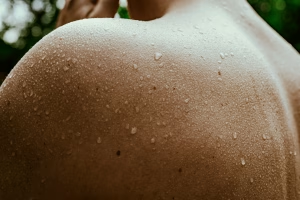
 

Yayyy, you had a baby! Congratulations! But… now you don’t sleep, your body hurts in any multitude of ways, and another one that probably no one warned you about: When you do actually sleep at night, you’re occasionally woken up by not your baby’s tears, but your sweat. If only your husband could bleed, he’d at least be contributing somehow to the trifecta, am I right?

Why does this happen?

Simple. And most of you already know the answer: Hormones. The concept of “blood” and “vital fluids” in Chinese medicine encompasses  hormones as well as neurotransmitters, the latter of which might also explain why Postpartum Depression or Anxiety is so rampant.

Subjective amounts of blood loss begin from the 1st week of pregnancy, when Mom’s vital fluids are being allocated no longer to herself, but to her fetus and placenta. So ladies, your blood is never yours again. Actually it can be, once you stop nursing, but then stress depletes the blood as well, which is apparently unavoidable in parenthood. Fortunately the best means to supplement beyond early bedtimes, are steak and red wine… and herbs.

Sweat loss is not insignificant. While it often offers our bodies a beneficial cooling effect, our perspiration contains within it vital nutrients, such as calcium, magnesium, potassium, amino acids, and anti-microbial peptides, some of which cannot be replaced by supermarket-grade electrolyte beverages.

It is a well-known fact that our body’s detoxification process happens through the liver and kidneys, not sweat glands, so any kooky yoga teachers who ever recommended hot yoga or HIIT training to “detoxify,” could more or less be brought up on malpractice. That is unless you don’t consider exercise the physiological modality it is proven to be.

In Classical Chinese medicine it is said that excessive sweating depletes our body’s “Yang,” which might be partially defined by things such as our amino acids and anti-microbial peptides. So let’s not lose our Yang, because losing Yang eventually leads to losing blood, which perpetuates the cycle!

Acupuncture would use points to calm the hypothalamus and stimulate the adrenals to produce hormones to slow the vicious cycle. Commonly used Chinese herbs might include Gypsum stone (if Mom is very thirsty for cold drinks), Rehmannia root (if there is also still any bleeding and Mom’s feeling emotionally disturbed), or Oyster Shell actually (if there is tightness at the ribs and/or chest, and Mom’s having trouble sleeping).

Please don’t self-prescribe. Consult a real herbalist.

Acupuncture for Treating Infertility in Men and Women
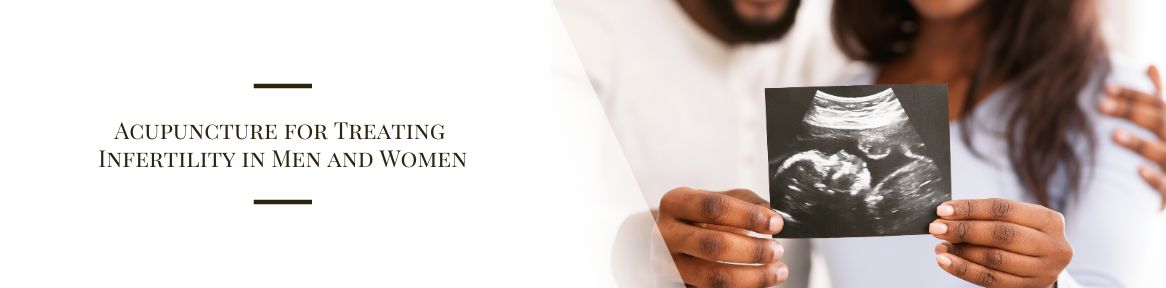
Acupuncture for Treating Infertility in Men and Women

Infertility is a growing concern worldwide, affecting millions of couples trying to conceive. As conventional treatments can be costly and sometimes come with side effects, many are turning to alternative therapies, such as acupuncture, for help. But what are the potential benefits of acupuncture in treating infertility in both men and women? continue reading »

646-242-7621 Directions Contact/Schedule